KDP Christmas Recipe Book, Planner Pages
As an embroidery designer and product reviewer, I often find myself evaluating digital designs for their practicality in real-world projects. The KDP Christmas Recipe Book, Planner Pages is one such design that caught my attention for its holiday theme and potential in handmade and commercial applications. Let’s dive into how this design performs in actual embroidery work and where it shines—or falls short.
First Impressions: A Festive and Functional Design
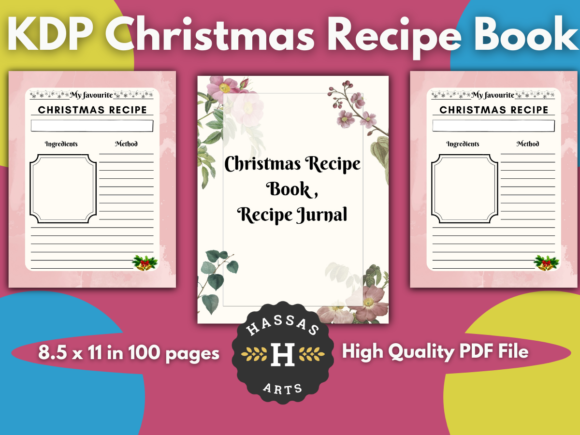
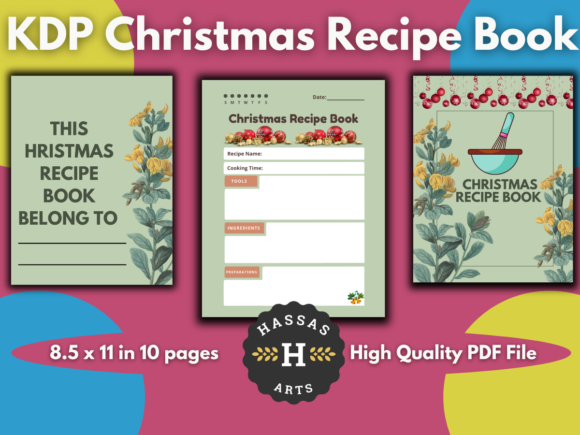
The KDP Christmas Recipe Book, Planner Pages exudes a warm, nostalgic holiday vibe. Its layout is clean and organized, making it ideal for use on items like tote bags, aprons, or even baby onesies. The design features a mix of text and decorative elements, including a recipe book icon, calendar layout, and seasonal motifs. It feels like something you’d find in a cozy kitchen or a gift basket, which makes it perfect for holiday-themed products.
The visual personality of the design is simple yet effective. It doesn’t rely on overly complex patterns or excessive detail, which is a plus for embroidery. The balance between text and graphics gives it a professional look without being overwhelming. This makes it a good fit for custom apparel, personalized gifts, and small business merchandise.
Real-World Embroidery Performance
When testing the KDP Christmas Recipe Book, Planner Pages on different fabrics and project types, I found it to be versatile but not without limitations. On a standard cotton tote bag, the design stitched out cleanly with a moderate stitch density. The satin stitches on the text were smooth, and the fill areas didn’t show any major issues. However, the design’s size and detail level may require careful consideration depending on the project.
For custom apparel like sweatshirts or t-shirts, the design works well as a mid-sized embroidery project. It fits nicely on the chest or back without feeling cramped. But if you’re planning to use it on a smaller item like a cap or a baby onesie, you might need to scale it down or simplify parts of the design. The intricate corners and tiny text could become lost or distorted in a smaller hoop size.
On textured or stretchy fabrics, the design can sometimes lose some definition. I noticed that on a knitted sweater, the fill areas appeared slightly less crisp due to the fabric’s movement. Using the right stabilizer and adjusting the tension helped, but it’s something to keep in mind when working with these materials.
Where to Use With Caution
While the KDP Christmas Recipe Book, Planner Pages is great for many applications, there are a few scenarios where it may not perform as well. For instance, on dark fabrics, the thread color contrast is important. If the design uses light-colored threads, it may not stand out enough against a black or navy background. Similarly, on thin or stretchy fabrics, the design may not hold up as well over time, especially with frequent washing.
Products that require frequent laundering, like tea towels or aprons, should also be approached carefully. The design’s fill areas may pucker or fade if not properly stabilized. And on curved surfaces like caps, the design may need slight adjustments to ensure even stitching and proper placement.
Impact on Visual Appeal and Customer Perception
One of the key factors in embroidery design evaluation is how it affects the overall look and feel of the finished product. The KDP Christmas Recipe Book, Planner Pages adds a touch of sophistication and holiday cheer. It’s eye-catching enough to draw attention but not so flashy that it overwhelms the item it’s on.
From a customer perspective, this design can enhance the perceived value of a handmade product. It signals thoughtfulness and effort, which is crucial for Etsy sellers and small shop owners looking to stand out. The design also lends itself well to personalized gifts, making it a strong choice for holiday sales or special occasions.
However, the success of the design depends largely on how it’s executed. Poorly stitched details or mismatched thread colors can quickly turn a promising design into a disappointing finished product. That’s why testing the design on scrap fabric before committing to a larger project is always a good idea.
Practical Designer Notes
As someone who regularly reviews embroidery files, I recommend taking a few key steps before using the KDP Christmas Recipe Book, Planner Pages in your projects:
- Test on scrap fabric: Always try the design on a similar material to see how it looks and behaves.
- Check thread color contrast: Ensure the thread color works well with your chosen fabric.
- Review stitch density: Adjust the density if needed to prevent puckering or distortion.
- Confirm hoop size: Make sure the design fits within your machine’s hoop limitations.
- Inspect small details: Pay close attention to text and corners for clarity.
- Test in black and white mockups: See how the design looks without color to evaluate contrast and composition.
- Compare on light and dark backgrounds: Understand how the design adapts to different fabric colors.
- Use proper stabilizer: This is especially important for stretchy or textured fabrics.
- Check licensing: Confirm whether the design is suitable for commercial use or personal projects.
These steps help ensure that the KDP Christmas Recipe Book, Planner Pages meets your quality standards and aligns with your creative vision.
Conclusion: A Versatile Holiday Design
The KDP Christmas Recipe Book, Planner Pages is a solid choice for embroidery designers and small business owners looking to add a festive touch to their products. It’s well-suited for custom apparel, personalized gifts, and holiday-themed merchandise. While it has some limitations in certain applications, its overall performance and aesthetic make it a valuable addition to any embroidery file library.
Whether you’re an Etsy seller, a craft fair vendor, or a boutique owner, this design offers a practical and appealing option for your next project. Just remember to test it thoroughly and consider the specific needs of your target audience before finalizing your work.