Pine Tree Logo Icon Vector Vintage: A Designer's Review
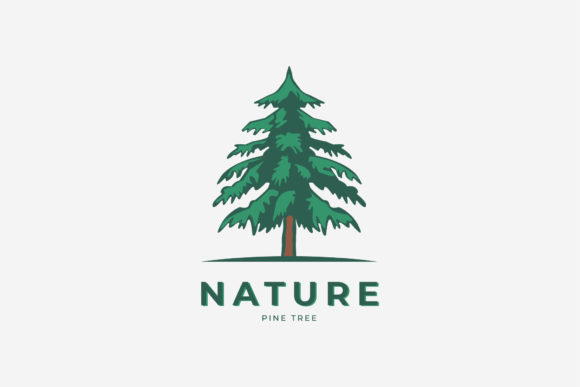
When I first pulled up the Pine Tree Logo Icon Vector Vintage on my screen, my immediate reaction wasn't just about the aesthetic; it was about feasibility. As someone who spends hours digitizing and stitching for clients, I look at every digital embroidery file through a lens of practical application. This design, categorized under Freebies, carries a specific mood—it feels rustic, established, and outdoorsy. The vintage styling suggests a weathered charm that translates beautifully into thread, provided the digitization holds up under the needle. For embroidery designers and small business owners, the question isn't just "is it pretty?" but "will this stitch out cleanly on a textured sweatshirt or a smooth tote bag?"
The Visual Personality and First Impressions
The silhouette of the pine tree is iconic, but the "vintage" aspect of this Pine Tree Logo Icon Vector Vintage is what gives it character. It likely avoids the hyper-realistic details that often cause stitching nightmares, opting instead for a stylized representation that hints at age and durability. In a real-world scenario, imagine preparing a custom order for a local coffee shop that wants to brand their staff aprons with an earthy, nature-inspired logo. This design fits that brief perfectly. The layout appears balanced, suggesting that the stitch density has been managed to prevent puckering, which is crucial when working on woven fabrics like canvas or heavy cotton twill.
For crafters and Etsy sellers, the visual personality of this asset speaks to a demographic that values handmade quality and organic themes. Whether you are creating a personalized gift for a hiking enthusiast or developing a line of nursery decor, the motif carries a sense of calm and stability. However, a designer's eye must also scrutinize the negative space. In vintage-style icons, the gaps between branches can sometimes be too tight for standard thread colors to resolve without bridging or bird-nesting. Before committing to a full production run, it is essential to visualize how the satin stitch borders might interact with the fill stitch areas inside the tree canopy.
Real-Life Application: From Mockup to Finished Product
Let's walk through a specific project to see how this design performs. Suppose you are launching a small collection of winter-themed custom apparel. You decide to use the Pine Tree Logo Icon Vector Vintage on a heavyweight fleece hoodie. The texture of fleece can be tricky; it requires a design that doesn't get lost in the pile yet doesn't pull the fabric down. If this design utilizes a appropriate balance of running stitch for fine details and denser fills for the main body, it could result in a premium-looking finished product.
Alternatively, consider the booming market for embroidered patches. A vintage pine tree is a staple motif for outdoor brands. If you are using this as a base for a patch design, the vector nature of the original file (implied by the title) allows for scalable adjustments before digitizing or editing the embroidery file. For those selling printable mockups or design assets, this icon offers a versatile element that can be placed on tote bag designs, kitchen towels, or even baby embroidery projects like bibs and onesies. The key here is versatility; a strong logo icon should work equally well on a dark navy cap as it does on a cream-colored pillow cover.
However, context matters. If you are aiming for a holiday embroidery project, such as Christmas stockings, this vintage tree provides a classic, non-kitschy alternative to modern, flashy designs. It appeals to customers looking for understated elegance. For commercial embroidery projects, consistency is king. If this design maintains its integrity across different hoop sizes, it becomes a reliable asset for your craft business.
Technical Considerations and Fabric Challenges
While the aesthetic is promising, a professional review must address the potential pitfalls. Vintage designs often rely on distressed effects or intricate line work that may not translate well to thread if the resolution is low or the digitizing is poor. When working with textured fabrics like linen or waffle weave, fine details in the pine needles might disappear. Similarly, on stretchy fabric like jersey knits, a dense design can cause the garment to warp over time. It is vital to check the stitch density recommendations.
If you plan to use this on a curved surface, such as a cap or a structured hat, you need to ensure the design isn't too wide or tall for the available stitching area. Caps require specific formatting to account for the curvature; a flat vector logo might need adjustment. Furthermore, dark fabric presents its own challenges. If the design relies on light thread colors, you must verify that the underlay stitching is sufficient to prevent the background fabric from showing through, which can muddy the vintage look.
Another critical factor is washability. Products like tea towels and aprons undergo frequent laundering. A design with loose running stitch outlines or poorly secured jump stitches may fray after a few cycles. For items intended as heirlooms or high-end boutique products, the durability of the stitch types used in the Pine Tree Logo Icon Vector Vintage is paramount. Always test the design on scrap fabric identical to your final material. Check how the stabilizer interacts with the fabric; a cut-away stabilizer is often safer for stretchy or heavy items, while tear-away might suffice for stable wovens.
Enhancing Brand Value and Customer Trust
In the competitive landscape of handmade goods, the quality of your embroidery directly influences customer trust and brand consistency. Using a well-executed design like this pine tree icon can elevate the perceived value of your small shop product. It signals attention to detail and a curated aesthetic. For Etsy sellers, high-quality imagery of the stitched design is crucial. When potential buyers see crisp satin stitch edges and uniform fills in your photos, they are more likely to engage and purchase.
This design also supports branding efforts. If you are creating a cohesive line of goods—say, a series of forest-themed items for a glamping site—this icon serves as a recognizable anchor. It helps in building recognition among your clientele. Moreover, for those offering personalized products, adding a monogram alongside this pine tree can create a unique, custom feel that justifies a higher price point. The "vintage" vibe taps into current trends favoring nostalgia and authenticity, making it a strategic choice for creative entrepreneurs looking to capture a specific market segment.
Final Designer Notes and Best Practices
Before integrating the Pine Tree Logo Icon Vector Vintage into your workflow, adhere to these practical steps:
- Test First: Always stitch a sample on scrap fabric of the same weight and texture as your final project. This reveals issues with thread color contrast and tension.
- Check Licensing: Since this is listed under Freebies, verify the license terms. Can you use it for commercial embroidery? Are there restrictions on selling the finished product versus the digital file?
- Inspect Details: Zoom in on the digitized version. Look for excessive jump stitches or areas where the stitch density might be too high for delicate fabrics.
- Mockup Verification: Create black and white mockups to ensure the design holds its shape without relying on color. This is especially important for printable mockups used in marketing.
- Stabilizer Selection: Match your stabilizer to the fabric. Heavy items like sweatshirt embroidery often need robust support to prevent sagging.
- File Compatibility: Ensure the embroidery file format matches your machine. If only a vector is provided, remember that vector-to-stitch conversion requires skilled digitizing to maintain the vintage aesthetic.
In conclusion, the Pine Tree Logo Icon Vector Vintage offers a compelling blend of style and utility for the modern maker. Its success in your embroidery project will depend on thoughtful application, careful material selection, and a keen eye for technical detail. By treating this free asset with the same rigor as a premium purchase, you can create stunning handmade products that resonate with customers and stand the test of time.