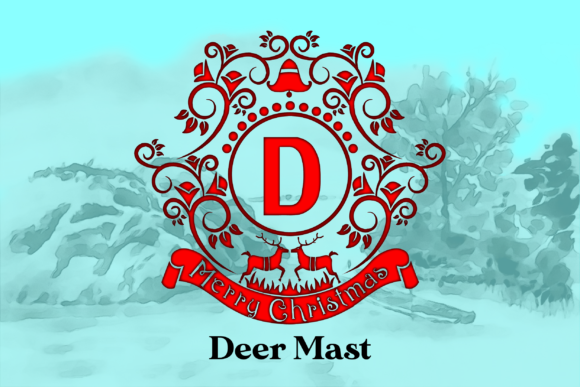
Deer Mast: A Decorative Asset for Nature Brands
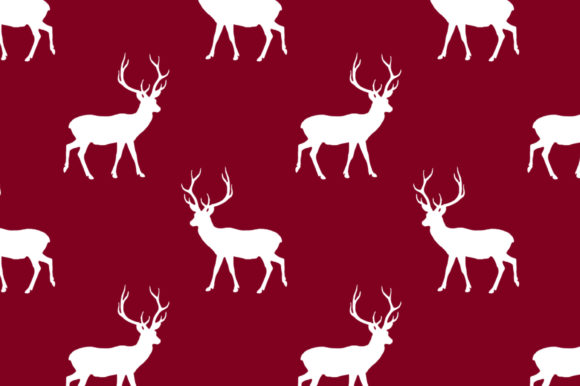
When I first opened the file for Deer Mast, my immediate reaction was one of grounded elegance. As a designer who frequently navigates the intersection of rustic charm and modern branding, finding assets that don't feel cliché is a constant challenge. This graphic design asset strikes a rare balance; it feels organic without being messy, and detailed without being overwhelming. The visual mood it creates is distinctly autumnal and woodland-inspired, evoking feelings of warmth, harvest, and natural abundance. For a client project I recently conceptualized—a boutique candle brand launching a seasonal "Forest Floor" collection—this piece felt like the missing link between their minimalist packaging and the rich, earthy scent profile they wanted to convey.
Elevating Brand Identity with Organic Textures
In the realm of brand identity and logo design, context is everything. Deer Mast shines brightest when applied to projects that need to communicate authenticity. Imagine a local coffee roaster or a handmade soap business looking to differentiate themselves on crowded shelves. Using this illustration as a central motif on a product label instantly signals a connection to nature. It works exceptionally well for packaging design where texture plays a key role. When placed on kraft paper or recycled stock, the intricate details of the mast (the nuts and foliage) add a layer of sophistication that simple icons often lack.
For small business branding, specifically in the handmade business sector, this asset serves as a powerful storytelling tool. It's not just a picture of acorns and leaves; it represents a season, a feeling, and a lifestyle. When I mocked this up for a hypothetical Etsy product line of linen tote bags, the result was striking. The asset acted as a hero graphic, drawing the eye immediately while leaving enough negative space for the brand name to breathe. This is crucial for maintaining visual hierarchy. A common mistake in creative design is overcrowding the focal point, but Deer Mast has a natural composition that guides the viewer's gaze effectively.
Versatility Across Digital and Print Mediums
The true test of any digital product or design bundle is its adaptability across different mediums. Deer Mast proves to be highly versatile. In the world of print-on-demand, particularly for t-shirt design and sublimation design, the clarity of the lines is paramount. Whether used as a PNG design with transparency or edited as an SVG design for cutting machines, the edges remain crisp. I tested this concept for a Cricut project intended for seasonal home decor, and the vector paths were clean enough to weed easily, yet detailed enough to look premium once applied to a mug or pillow.
For content creators and marketers, the asset translates beautifully into social media graphics. Think of Pinterest pins promoting fall recipes or Instagram stories announcing a harvest sale. The warm tones and organic shapes of Deer Mast create an instant emotional hook, increasing audience engagement. It also functions well within a Canva template, allowing non-designers to drag and drop the element into their layouts while maintaining a professional aesthetic. For web design and blog visuals, it serves as an excellent decorative accent that breaks up text-heavy pages without distracting from the core message.
Strategic Placement and Design Constraints
While Deer Mast is a robust asset, professional judgment dictates knowing where not to use it. This is a Decorative element with significant detail. Consequently, it should be used carefully in very small sizes, such as favicons or tiny footer icons, where the fine lines of the acorns and leaves might blur or disappear. It is also not suitable for minimalist branding that relies on ultra-thin lines or stark, corporate geometry. If a client requires a modern design that feels tech-forward or industrial, this asset would clash with that vision.
Furthermore, caution is needed regarding background complexity. Because the illustration contains varied textures and shading, placing it on a busy or low-contrast background can destroy readability and visual trust. It performs best on solid colors, subtle gradients, or textured papers that offer high contrast. In editorial design or complex layouts, ensure that Deer Mast does not compete with headlines or call-to-action buttons. It should support the content, not overpower it.
Essential Designer Notes for Commercial Use
Before integrating Deer Mast into a final client deliverable, there are several practical steps every designer should take. First, always test the asset in black and white. This reveals whether the contrast holds up if the client decides to print on a single-color substrate or needs a monochrome version for faxed documents or newspaper ads. Second, preview the design at various scales. What looks balanced on a desktop monitor might feel heavy on a mobile screen or lost on a large banner.
File format inspection is critical. If you are working with a raster file, check the resolution to ensure it meets the 300 DPI standard for high-quality printable design work. If using the vector version, inspect the nodes to ensure the SVG design is optimized and doesn't contain unnecessary anchor points that could complicate cutting processes. Compare how Deer Mast pairs with different typography styles. It harmonizes beautifully with serif fonts that echo its traditional roots, as well as handwritten fonts that enhance its artisanal feel. However, pairing it with a geometric sans-serif can create an interesting, eclectic tension if done intentionally.
Finally, and perhaps most importantly, verify the licensing. Whether sourced from a creative marketplace or a specific design studio, confirm that the commercial license covers your intended use case, especially if you are creating items for resale like stickers or merchandise. Understanding the legal boundaries protects both you and your client.
In conclusion, Deer Mast is more than just a clipart illustration; it is a strategic tool for building atmosphere in marketing visuals and product mockups. Its ability to convey a specific seasonal mood makes it invaluable for campaigns centered around nature, harvest, and authenticity. By understanding its strengths in packaging details and themed collections, while respecting its limitations in minimal or crowded environments, designers can leverage this asset to create polished, emotionally resonant work that stands out in the marketplace.