Gingerbread: A Warm Decorative Asset for Blogs
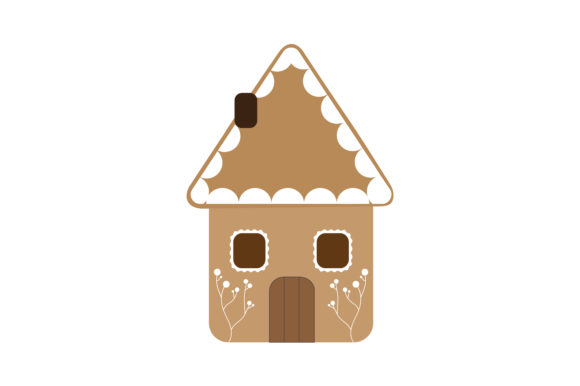
As a digital publisher who has spent years refining the visual identity of multiple content sites, I approach every new graphic design asset with a critical eye. It is not enough for an image to simply look good in isolation; it must perform within the chaotic ecosystem of a live website, a crowded social feed, and a subscriber's inbox. When I first opened the files for Gingerbread, my immediate impression was one of warmth and approachability. This is not a cold, corporate stock photo, nor is it an abstract shape that demands intellectual decoding. Instead, it offers a distinct Decorative quality that feels inherently lifestyle-focused, playful, and inviting.
In the world of editorial design, mood is everything. The aesthetic of Gingerbread suggests comfort, creativity, and a touch of nostalgia. For bloggers and content creators operating in niches like food, parenting, DIY crafts, or seasonal lifestyle content, this visual language is gold. It signals to the reader before they even read a single word that the content they are about to consume will be friendly and accessible. However, its utility extends far beyond just setting a vibe. When integrated correctly into a web design strategy, assets like this become the backbone of a stronger brand identity.
Transforming Editorial Layouts and Blog Graphics
The primary challenge for any site owner is maintaining visual consistency while keeping the content fresh. Gingerbread excels here because it acts as a versatile anchor for blog graphics. Imagine preparing a series of articles for the holiday season or a cozy winter collection. Using this asset as a recurring motif in your website header or as a subtle background texture for category thumbnails creates an instant recognition factor. Readers begin to associate that specific warm, decorative style with your publication, fostering trust and loyalty.
I tested Gingerbread specifically for Pinterest pin creation, which remains a massive traffic driver for many publishers. The asset holds up remarkably well when overlaid with bold typography. Because the design elements are distinct yet not overly busy, they provide excellent visual hierarchy. You can place a compelling headline over the graphic without losing readability, provided you manage your contrast carefully. This balance is crucial for click-through rates; a pin that looks polished and professional stands out against the noise of a standard feed.
Beyond social media, this asset shines in digital product creation. If you are an online educator or an affiliate marketer selling digital guides, worksheets, or eBooks, the cover design is your first sales pitch. Gingerbread brings a level of polish that suggests high value. It transforms a simple PDF into a desirable digital download. Similarly, for newsletter creators, using these elements in email headers or as dividers between sections can significantly increase engagement, making the reading experience feel more like a curated magazine than a plain text update.
Strategic Use Cases for Content Marketing
To get the most out of Gingerbread, you must be strategic about where you deploy it. It is not a one-size-fits-all solution, but rather a specialized tool for specific content marketing goals. Here is how I would integrate it into a real publishing workflow:
- Hero Images: Use it as a focal point for featured images on blog posts related to home decor, recipes, or seasonal trends.
- Social Media Graphics: Incorporate it into Instagram stories or Facebook ads to soften the sales pitch and add a human touch.
- Lead Magnets: Design checklists or printable planners where the decorative elements frame the useful content, increasing perceived value.
- Media Kits: Use the aesthetic to brand your media kit, showing potential advertisers that your site has a cohesive and thoughtful design system.
- Affiliate Content Visuals: Create custom graphics for product roundups that match the warm tone of the items being reviewed.
The key to success with any creative design element is understanding its limitations as much as its strengths. While Gingerbread is fantastic for lifestyle and creative niches, it requires caution in other areas. If you are running a site focused on serious financial advice, hard news, or corporate B2B services, this style might undermine your authority. In those contexts, the playful and decorative nature could be perceived as too casual. Furthermore, on mobile devices, intricate details can sometimes get lost. You must ensure that when scaled down to a small thumbnail, the core shape of the asset remains recognizable.
Optimizing for Performance and Readability
From a technical standpoint, integrating Gingerbread into your site requires attention to detail. Web performance is non-negotiable; a beautiful site that loads slowly will drive readers away. Before uploading these files, I always compress them to ensure they do not bloat your page load times. Check the file size and format—PNGs with transparency are often best for overlaying on colored backgrounds, while JPEGs may suffice for full-width banners.
Typography pairing is another critical consideration. Because Gingerbread leans towards a traditional yet whimsical feel, it pairs beautifully with serif fonts that evoke editorial elegance, as well as handwritten scripts that enhance the personal touch. However, avoid pairing it with overly rigid, industrial sans-serif fonts unless you are deliberately aiming for a high-contrast, modern eclectic look. Always test your combinations in black and white as well; if the design relies entirely on color to make sense, it may fail when printed or viewed on e-ink devices.
Finally, never skip the licensing check. As a professional publisher, I treat commercial license verification as a mandatory step before using any asset on monetized pages. Whether you are running display ads, affiliate links, or selling your own products, you must confirm that your usage rights cover commercial design applications. Most assets found on a reputable creative marketplace will offer clear terms, but assuming permission can lead to legal headaches down the line.
In conclusion, Gingerbread is more than just a pretty picture; it is a functional tool for small business branding and content enhancement. When used with intention, it elevates the perceived quality of your work, creates a welcoming atmosphere for your audience, and supports a cohesive visual strategy across all your digital channels. By testing it across different devices, pairing it with the right typography, and respecting its stylistic boundaries, you can turn this single asset into a cornerstone of your site's visual success.