Review: Decorative Jingle Bell Quick Stitch for Holiday Projects
As a designer who spends more time staring at stitch maps than most people spend looking at their phones, I approach every new machine embroidery design with a mix of excitement and skepticism. We all know the feeling: you download a file that looks adorable on the screen, only to find it turns into a puckered mess once it hits the hoop. That is why I recently put the Decorative Jingle Bell Quick Stitch through its paces before committing it to any client work or holiday inventory. This isn't just about whether it looks cute; it is about whether it holds up under the pressure of real-world production.
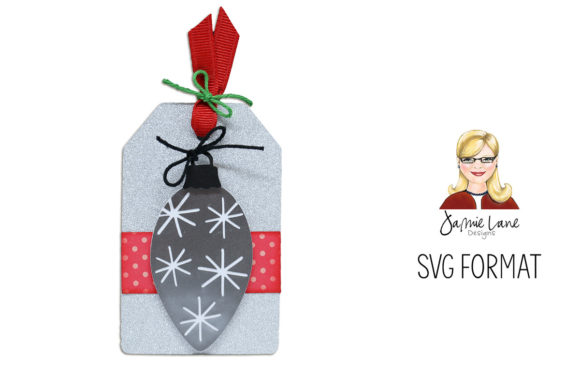
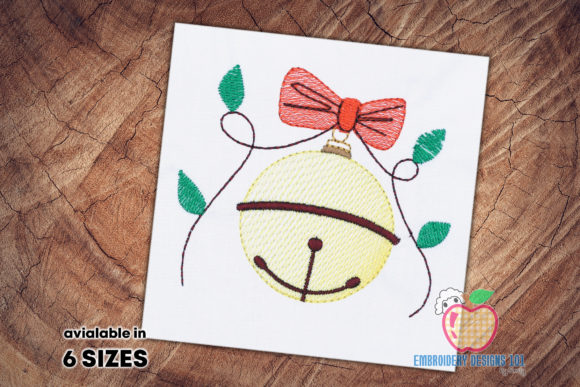
My first impression of the Decorative Jingle Bell Quick Stitch was defined by its efficiency. In the busy season leading up to Christmas, time is the most valuable currency we have. The layout suggests a design that prioritizes speed without sacrificing the recognizable silhouette of a classic jingle bell. Visually, it carries a playful yet traditional mood, making it versatile enough for high-end boutique items or quick craft fair giveaways. The shape is clean, avoiding overly intricate corners that often cause thread breaks or bird nests, which is a massive plus when you are running dozens of items back-to-back.
Real-World Application: The Holiday Tote Bag Test
To truly gauge the value of this embroidery file, I decided to test it on a project that demands both durability and aesthetic appeal: a custom canvas tote bag intended as a personalized gift. Canvas can be tricky; it has a distinct fabric texture that can swallow up fine details if the stitch density isn't right. I hooped the fabric with a heavy-duty cutaway stabilizer, knowing that the weight of the bag would require extra support.
The stitching process was smooth. The design utilizes a smart combination of fill stitch for the body of the bell and likely a satin stitch or dense running stitch for the outline and clapper details. As the machine worked, I watched closely for any signs of pulling or distortion. The result was crisp. The bell sat flat against the canvas, and the definition between the different sections of the design remained sharp. For an Etsy seller looking to offer custom apparel or accessories during the holidays, this kind of reliability is gold. It means fewer ruined blanks and happier customers who receive a professional-looking finished product.
I could easily see this design working equally well on a cozy fleece sweatshirt embroidery project or as a charming accent on a kitchen tea towel. Its simplicity allows it to shine on various materials, from thick denim to softer cotton blends. However, the "Quick Stitch" nature of the name implies a lower stitch count, which is fantastic for speed but requires careful consideration regarding placement and fabric choice.
Navigating Fabric Challenges and Hoop Limitations
While the Decorative Jingle Bell Quick Stitch performed beautifully on stable woven fabrics, I would advise caution when using it on stretchy knits or very thin materials without proper stabilization. Because the design relies on clear lines to define the bell shape, any shifting of the fabric during the stitch-out could distort the image. If you are planning to use this for baby embroidery on a onesie, ensure you are using a water-soluble topper to prevent the stitches from sinking into the loops of the knit fabric.
Another critical factor is the hoop size. Although this design appears compact, always verify the specific dimensions in your software before hooping, especially if you are working with smaller items like caps or cuffs. Curved surfaces, such as the front panel of a baseball cap, can be unforgiving for designs with long straight runs or large fill areas. While the bell shape is generally forgiving, testing on a scrap piece of the actual garment is non-negotiable. I once learned the hard way that a design perfect on a flat table can pucker terribly on a structured hat if the tension isn't adjusted.
For those considering this for dark fabrics, pay close attention to the thread colors suggested in the file. A quick stitch design often relies on contrast to make the image pop. If the color palette provided doesn't offer enough contrast against navy or black fabric, you may need to manually adjust the thread sequence in your editing software to ensure the bell doesn't disappear into the background.
Commercial Viability and Brand Perception
From a business perspective, the Decorative Jingle Bell Quick Stitch offers significant potential for increasing profit margins. The reduced stitch time means you can produce more units in less time, a crucial advantage for small shop products during the peak holiday rush. But speed should never come at the cost of quality. Does this design look cheap? Not necessarily. Its clean lines convey a modern, minimalist take on holiday themes that appeals to contemporary buyers who might find traditional, overly dense designs too old-fashioned.
Using this design in a printable mockup for your online store can help visualize how it pairs with different product colors. When customers see a clean, well-executed embroidery sample, it builds trust in your brand. It signals that you care about the details, even in a "quick" design. Whether you are selling embroidered patches, aprons, or holiday ornaments, the consistency of the stitch quality directly impacts customer retention and reviews.
Essential Designer Notes for Best Results
Before you commit this design to a paid order, here are a few practical steps I recommend based on my review:
- Test on Scraps First: Always run a test stitch-out on the exact same fabric and stabilizer combination you plan to use for the final item.
- Check Licensing: Verify the license terms associated with the digital embroidery file. Ensure it allows for commercial use if you intend to sell the handmade product.
- Inspect Density: Look at the stitch density in your editor. If it seems too sparse for your fabric type, consider adding underlay stitches to improve coverage.
- Contrast Check: View the design in black and white within your software to ensure the shapes remain distinct without relying solely on color changes.
- Stabilizer Selection: Match your stabilizer to the fabric weight. Heavier fabrics might need less support, while stretchy knits demand robust stabilization.
In conclusion, the Decorative Jingle Bell Quick Stitch is a solid addition to any holiday design assets library. It balances speed with visual clarity, making it an excellent choice for commercial embroidery projects where turnaround time matters. By understanding its strengths and respecting its limitations regarding fabric and stabilization, you can leverage this design to create beautiful, profitable, and memorable holiday gifts. Just remember, the secret to great embroidery isn't just the file itself, but the knowledge and care applied by the person behind the machine.