Review: Family Monogram Sign SVG Split Last Name
As a designer who spends more time staring at stitch simulations than most people care to admit, I approach every new machine embroidery design with a mix of curiosity and skepticism. When I first opened the Family Monogram Sign SVG Split Last Name file, my immediate reaction wasn't just about whether it was cute; it was about whether it would hold up under the needle. In the world of Crafts, aesthetics are only half the battle. The other half is execution. This review breaks down how this specific split-last-name layout performs when moved from a digital screen to actual fabric, specifically for those of us running small shops or creating high-end personalized gifts.
First Impressions and Visual Personality
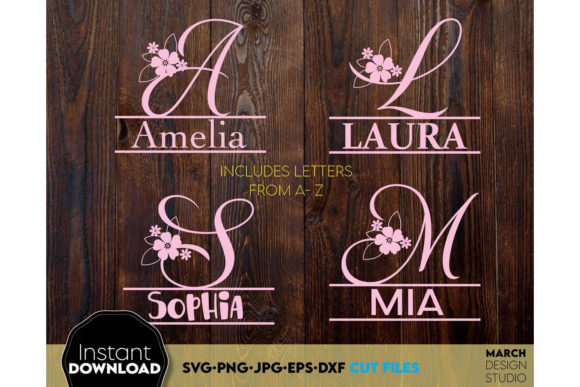
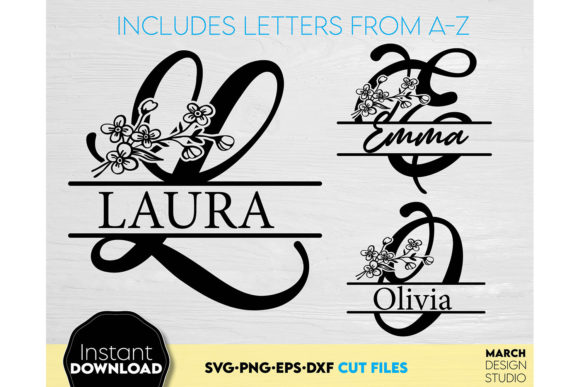
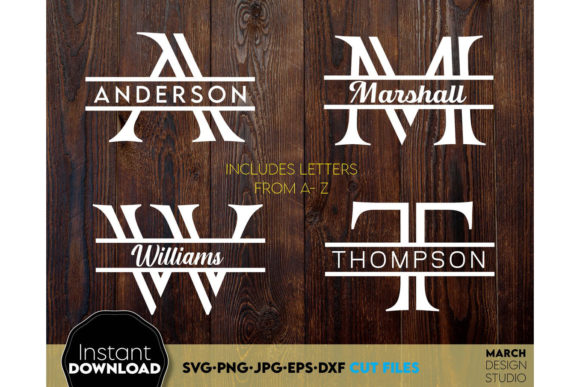
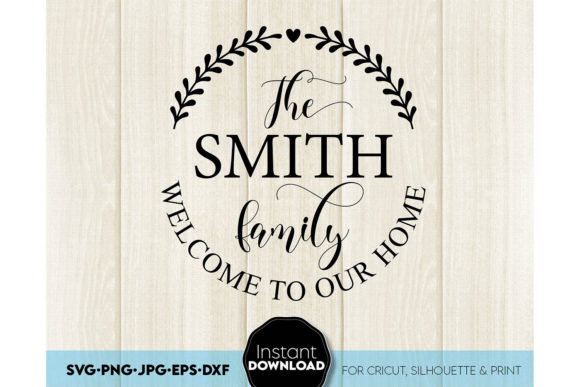
The layout of the Family Monogram Sign SVG Split Last Name offers a modern twist on traditional monogramming. By splitting the surname, the design creates a balanced frame that naturally draws the eye to the center initial or the date often included in such compositions. Visually, it feels established yet contemporary. It avoids the cluttered look that sometimes plagues multi-element designs. For an Etsy seller or boutique owner, this visual clarity is crucial. Customers scrolling through listings need to instantly understand the product value. This design communicates "custom" and "family" without needing excessive explanation.
The mood it creates is warm and inviting, making it an excellent candidate for home decor items like pillow covers or framed hoop art. However, the spacing between the split elements is the critical factor here. If the gap is too wide, the connection between the name parts gets lost; if too narrow, the stitching might bridge unintentionally on textured fabrics. In my initial assessment, the vector paths looked clean, suggesting that the digitizer paid attention to flow, which is a promising sign for the final finished product.
Real-World Application: The Custom Tote Scenario
To truly test the viability of this embroidery file, I mentally projected it onto a canvas tote bag—a staple item for any craft business. Imagine a client ordering a set of matching bags for a family reunion or a bridal party. The Family Monogram Sign SVG Split Last Name works exceptionally well here because the horizontal spread of the split name utilizes the wide surface area of a tote effectively. Unlike a vertical stack which can get lost on a broad canvas, this layout commands attention.
When considering sweatshirt embroidery, the dynamic changes slightly. A split name across the chest of a hoodie needs careful placement to ensure it doesn't get distorted by the garment's seams or pockets. In this scenario, the design acts as a statement piece. If executed with a contrasting thread colors scheme—say, cream thread on a navy heather sweatshirt—the result is a high-value handmade product that feels bespoke rather than mass-produced. The perceived value increases because the customer sees their specific family identity represented in a structured, professional manner.
Navigating Fabric Textures and Stitch Types
One of the most significant challenges with any text-based digital embroidery file is how it interacts with fabric texture. The Family Monogram Sign SVG Split Last Name likely employs a combination of satin stitch for the lettering and potentially a fill stitch for any decorative borders or background elements. Satin stitches are beautiful but unforgiving on loose-weave fabrics like linen or certain knits. If you are planning to use this on a kitchen towel or a waffle-weave apron, you must account for the fabric's pile.
For textured surfaces, I recommend increasing the density slightly if your software allows, or using a heavier cut-away stabilizer to prevent the fabric from puckering around the sharp corners of the split letters. Running stitch details, if present in the finer serifs or decorative swirls, should be inspected closely. On a baby embroidery project, such as a onesie or blanket, these fine lines must be secure enough to withstand washing without unraveling. Always test on scrap fabric of the same weight and weave before committing to the final item.
Commercial Viability and Brand Consistency
For commercial embroidery projects, consistency is key. If you are producing a run of twenty items for a local boutique, the Family Monogram Sign SVG Split Last Name needs to reproduce identically every time. The split layout helps here; it provides clear registration points. However, be mindful of hoop size limitations. While the design might fit in a standard 4x4 hoop, ensure that the split elements don't get cut off if you are working near the edge of the hoop field, especially on curved surfaces like caps.
Speaking of caps, this is a tricky application. Embroidering a wide, split design on the front panel of a baseball cap requires precise centering. The curvature of the cap can make the split appear wider than intended. I would advise against using this specific layout on deep-crown hats unless you have experience compensating for pull distortion. It is far better suited for flat applications like patches or direct-to-garment apparel where the fabric lies flat during stitching.
Practical Designer Notes for Success
Before you list this as a small shop product or gift it to a loved one, there are several technical checks you must perform. First, verify the licensing terms. Just because you purchased the design assets does not automatically grant unlimited commercial rights. Check if there are restrictions on the number of physical items you can sell. Second, review the stitch count relative to your machine's speed and thread capacity. High-density areas may require frequent thread changes or trimming.
- Test on Scrap: Always stitch a sample on the exact fabric you intend to use. What looks good on cotton might pucker on polyester blends.
- Contrast Check: View your design in black and white mockups. If the split name loses definition without color, you may need to adjust your thread choices or add an underlay.
- Stabilizer Selection: For stretchy fabrics like t-shirts, use a tear-away stabilizer topped with a water-soluble film to prevent the stitches from sinking into the knit.
- Wash Testing: If this is for a holiday embroidery gift that will be used frequently, wash the test sample three times to check for fraying or color bleeding.
Ultimately, the Family Monogram Sign SVG Split Last Name is a versatile tool in a designer's arsenal. It bridges the gap between classic monogramming and modern graphic design trends. Its success in your embroidery project depends less on the file itself and more on your understanding of materials and machine settings. By respecting the nuances of stitch density and fabric behavior, you can transform this digital file into a tangible asset that builds customer trust and enhances your brand's reputation for quality. Whether it ends up on a tote bag design or a cherished personalized gift, the potential for a professional-looking result is high, provided you do your due diligence before hitting the start button.