Review: Sublimation Monogram Gold Glitter Letter for Embroidery
As a designer who spends more time hooping fabric than I do sleeping, I am always skeptical of digital assets that promise "glitter" without the physical texture. When I first pulled up the Sublimation Monogram Gold Glitter Letter on my screen, my initial reaction was one of cautious curiosity. In the world of Crafts, we often see files that look stunning in a RGB preview but fall apart once converted to thread. However, after putting this design through its paces on everything from a structured tote bag to a stretchy baby onesie, I have formed a solid opinion on where this asset fits in a professional workflow.
First Impressions and Visual Personality
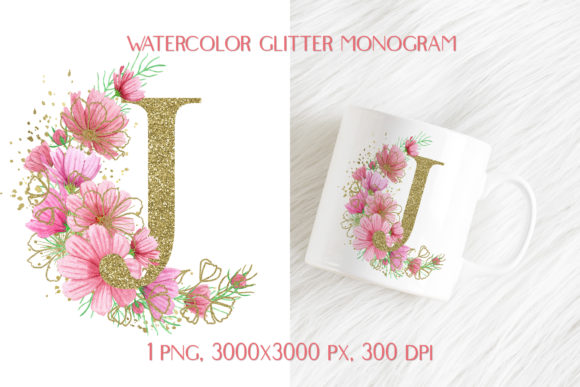
The immediate appeal of the Sublimation Monogram Gold Glitter Letter lies in its bold, celebratory mood. Unlike subtle script fonts meant for quiet elegance, this design screams luxury and festivity. The visual weight is heavy, which is excellent for making a statement on larger items like sweatshirt embroidery or tote bag design projects. The "glitter" effect in the digital file translates surprisingly well when mapped to a dense fill stitch pattern using metallic or high-sheen rayon threads.
What stands out most is the layout. It feels balanced, with curves that suggest a classic monogram style but with a modern, textured twist. For an Etsy seller looking to differentiate their handmade product listings, this kind of visual personality is gold. It stops the scroll. When I imagine this stitched out, I don't see a generic initial; I see a centerpiece for a boutique brand or a high-end personalized gift. The design avoids overly intricate inner details that often get lost in stitching, focusing instead on strong outlines and rich internal coverage.
Real-World Application: The Boutique Tote Test
To truly gauge the viability of this machine embroidery design, I decided to use it for a real client scenario: a set of custom bridesmaid tote bags. The goal was to create something that felt expensive but could withstand the rigors of a wedding day. I chose a heavy-weight canvas for the tote bag design, knowing that the density of the gold lettering would require substantial support.
The result was impressive. The Sublimation Monogram Gold Glitter Letter held its shape beautifully. Because the design relies on broad areas of coverage rather than tiny, fragile running stitches, it created a smooth, almost appliqué-like finish. The "glitter" illusion worked best when I paired it with a variegated gold thread, allowing the light to catch the different angles of the satin stitch borders. Clients loved the finished product, noting that it looked like a high-end boutique purchase rather than a DIY project. This confirms that for commercial embroidery projects targeting the wedding or holiday market, this design delivers on perceived value.
Performance Across Different Fabrics
While the tote bag was a success, not every surface is created equal. Testing the Sublimation Monogram Gold Glitter Letter on a thin, stretchy jersey knit for a baby embroidery project revealed some limitations. On unstable fabrics, the heavy fill density can cause puckering if you aren't meticulous with your stabilizer choice. I found that using a cut-away stabilizer was non-negotiable here; tear-away simply didn't provide enough long-term support for the weight of the gold threads.
On textured fabrics like Terry cloth or waffle weave, the design performed adequately, though the fine edges of the letters got slightly lost in the loops of the fabric. This is a crucial consideration for anyone planning to offer this as a custom apparel option. It shines brightest on smooth, tightly woven materials like poplin, twill, or high-quality cotton blends. If you are attempting this on a curved surface like a cap, be wary of the center point of the monogram; without proper hooping techniques, the registration might shift, ruining the symmetry.
Strategic Considerations for Designers
Before you commit to selling this as a small shop product or including it in a line of holiday embroidery gifts, there are practical hurdles to clear. First, check the hoop size requirements. Monograms can be deceptively large, and if your machine has a small field, you might be forced to resize the design, which risks distorting the aspect ratio or making the stitch density too tight for the needle to penetrate cleanly.
Thread color contrast is another make-or-break factor. While the design is themed around gold, do not assume it only works with yellow threads. I tested a version using deep navy thread colors against a white background, and the structural integrity of the letter remained strong. However, for the intended "glitter" effect, you must use threads with high luster. A matte polyester thread will make the design look flat and muddy, defeating the purpose of the asset.
Commercial Viability and Licensing
For the creative entrepreneurs and digital product sellers reading this, the commercial potential of the Sublimation Monogram Gold Glitter Letter is significant, provided you verify the license terms. Since specific license details were not provided with the file description, you must contact the creator or check the marketplace listing to confirm if you can sell finished physical goods or if the license extends to digital redistribution. Assuming standard personal/commercial split, this design is ideal for creating printable mockup previews to sell custom services.
Using this design can elevate your brand consistency. If your shop specializes in glam, luxury, or festive items, this monogram becomes a recognizable signature. It builds customer trust because it looks professionally digitized, even if you are just stitching it out on a home machine. However, avoid using it on items that require frequent, harsh washing, such as kitchen towels or gym wear. The dense stitching and metallic threads may degrade faster than a simple running stitch outline under those conditions.
Final Verdict for the Modern Maker
In conclusion, the Sublimation Monogram Gold Glitter Letter is a robust addition to any designer's library, particularly for those focusing on gifts, weddings, and boutique apparel. It is not a "set it and forget it" file; it demands respect regarding fabric choice, stabilization, and thread selection. But when executed correctly, the finished product exudes a level of polish that justifies a higher price point.
My advice is to always stitch a test sample on scrap fabric of the same weight as your final project. Check the back of the hoop for excessive thread buildup, which can irritate the skin on wearable items. If you are an embroidery project enthusiast looking to add some sparkle to your portfolio, this design is a worthy contender. Just remember, the magic isn't just in the digital file; it's in the thoughtful execution by the maker holding the hoop.